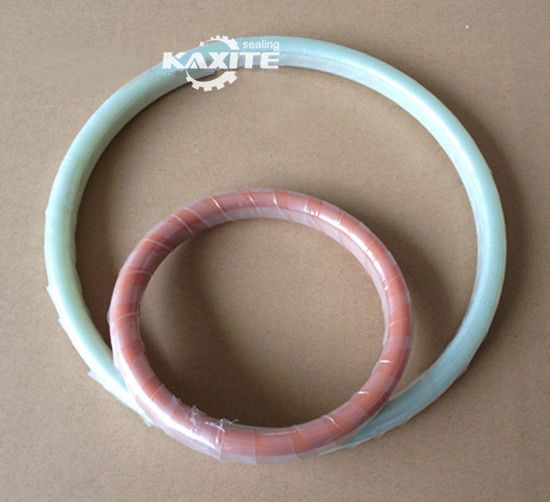
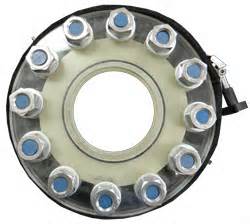
In industrial piping and pipeline systems, the prevention of galvanic corrosion and the assurance of electrical isolation at flanged connections are paramount for safety, system integrity, and longevity. This is where Flange Insulation Gasket Kits become an indispensable engineering solution. These kits provide a complete, ready-to-install package designed to electrically isolate flange pairs, thereby stopping the flow of stray electrical currents that cause corrosive damage. For engineers, maintenance teams, and procurement specialists across oil & gas, chemical processing, water treatment, and marine industries, specifying the correct insulation kit is a critical decision.
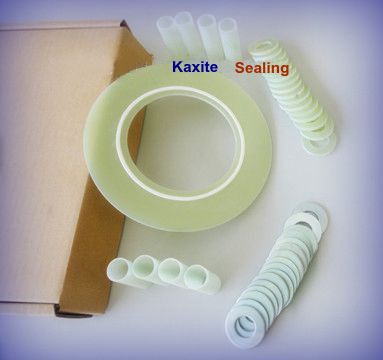
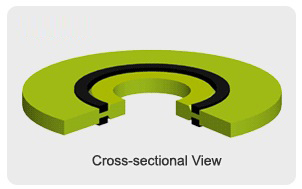
Our premium Flange Insulation Gasket Kits are engineered to meet and exceed industry standards such as ASTM, NACE, and ISO, ensuring reliable performance in the most demanding environments. Each kit is a systematically designed assembly of components that work in concert to provide total isolation.
Every kit is meticulously assembled with high-grade materials chosen for their dielectric strength, compressibility, and environmental resistance.
Selecting the appropriate kit requires matching its specifications to your service conditions. Below are the key parameters for our standard and high-performance kits.
| Parameter / Feature | Standard Grade Kit | High-Temp/Chemical Resistant Kit | Marine Grade Kit |
|---|---|---|---|
| Primary Gasket Material | G10 Garolite (Epoxy Glass Laminate) | Virgin PTFE (Teflon) or PEEK | G11 Garolite or Specialty Composite |
| Temperature Range | -60°F to 250°F (-51°C to 121°C) | -450°F to 500°F (-268°C to 260°C) for PTFE | -60°F to 300°F (-51°C to 149°C) |
| Pressure Rating | Up to 1500 psi (103 bar) | Up to 1000 psi (69 bar) for PTFE; Higher for PEEK | Up to 2000 psi (138 bar) |
| Dielectric Strength | > 50 kV (0.125" thickness) | > 40 kV (0.062" thickness for PTFE) | > 55 kV (0.125" thickness) |
| Bolt Sleeve/Washer Material | Polypropylene or Nylon | PTFE or PPS (Polyphenylene Sulfide) | PVDF (Kynar) or Ceramic-Filled Polymer |
| Chemical Resistance | Excellent resistance to oils, alkalis, dilute acids. | Exceptional, inert to nearly all industrial chemicals. | Excellent resistance to saltwater, acids, and fuels. |
| Common Standards | ASTM D709, NACE MR0175 | ASTM D4894, FDA Compliant options | ASTM D710, MIL-I-24768 |
| Typical Applications | Plant water lines, fuel oil piping, general chemical service. | Aggressive acid/alkali lines, high-purity systems, pharmaceutical. | Offshore platforms, shipboard piping, seawater cooling lines. |
Our kits are available for a comprehensive range of standard flange dimensions. This table helps identify the kit components' dimensions based on your flange.
| Nominal Pipe Size (NPS) | Flange Pressure Class (ANSI) | Bolt Hole Diameter | Bolt Size & Quantity | Kit Includes (Qty per Bolt) |
|---|---|---|---|---|
| 2" | 150 | 0.75" | 4 x 0.625" Bolts | 1 Sleeve, 2 Washers, 1 Steel Washer |
| 4" | 300 | 0.88" | 8 x 0.75" Bolts | 1 Sleeve, 2 Washers, 1 Steel Washer |
| 8" | 150 | 0.88" | 8 x 0.75" Bolts | 1 Sleeve, 2 Washers, 1 Steel Washer |
| 12" | 600 | 1.12" | 12 x 1.00" Bolts | 1 Sleeve, 2 Washers, 1 Steel Washer |
| 16" | 900 | 1.38" | 16 x 1.25" Bolts | 1 Sleeve, 2 Washers, 1 Steel Washer |
What is the primary purpose of a flange insulation gasket kit?
The primary purpose is to prevent galvanic corrosion in pipeline systems. It creates a barrier that stops the flow of electrical current between two dissimilar metal flanges or between a flange and its connecting bolts. By interrupting this circuit, it prevents the electrochemical reaction that causes metal ions to dissolve, thereby eliminating a major cause of pipeline failure and leaks.
When is it mandatory to use an insulation kit?
Their use is often mandated by engineering standards, safety codes, and client specifications in situations involving: cathodic protection systems (to isolate protected sections), pipelines with dissimilar metals (e.g., carbon steel to stainless steel), pipelines entering or leaving electrolyte-rich environments (e.g., soil, seawater), and in hazardous areas where stray currents could cause sparks. They are also critical for electrical grounding isolation in facilities.
Can I just use an insulating gasket without the sleeves and washers?
No, this is a common and serious error. Using only the center gasket fails to provide complete isolation. The metal bolts create a direct electrical bridge between the two flanges, rendering the gasket ineffective. The full kit—with sleeves to isolate the bolt shank and washers to isolate the nut/head—is essential for a fully insulated joint.
How do I select the right material for my application?
Material selection is based on three key service conditions: Temperature, Pressure, and Chemical Media. For general utility services up to 250°F, G10 Garolite is robust and cost-effective. For extreme temperatures or highly corrosive chemicals (acids, caustics), PTFE or PEEK is necessary. For high-pressure seawater applications, a high-strength composite like G11 or a ceramic-filled polymer is recommended. Always consult chemical compatibility charts.
What is the proper installation procedure for these kits?
Proper installation is critical. First, ensure flange faces are clean, smooth, and undamaged. Dry fit all components. Insert non-metallic alignment pins if provided. Place the center insulating gasket. For each bolt, slide an insulating sleeve over it, then insert the bolt through the flange holes. On the nut side, place an insulating washer against the flange, followed by a steel washer, then the nut. On the head side (if accessible), place a steel washer, then an insulating washer against the flange before tightening. Tighten bolts in a star/cross pattern to the specified torque in progressive steps.
How do I determine the correct torque for the bolts when using an insulation kit?
The target torque is typically the standard torque specified for the flange rating, bolt size, and gasket material. However, caution must be taken not to over-torque, which can crush or fracture the insulating components. It is vital to follow the kit manufacturer's torque recommendations, which may differ slightly due to the lubrication effect of polymer washers. Using a calibrated torque wrench and the cross-tightening sequence is non-negotiable.
Do insulation kits affect the pressure containment capability of the flange?
A properly selected and installed kit does not negatively affect the pressure rating. The insulating gasket must be of appropriate thickness and material to handle the design pressure and temperature. The kit components are engineered to work within the flange's mechanical design. The key is ensuring the gasket material's pressure-temperature rating is suitable for the service and that correct installation creates a uniform seal.
Can these kits be used in high-vibration or thermal cycling services?
Yes, but selection and installation require extra care. Materials like PTFE can cold-flow under constant load, potentially leading to loosening. In such services, it is advisable to use more rigid gasket materials like G10/G11 or PEEK and to implement a re-torquing schedule after initial heat cycles or periods of operation to maintain bolt load and seal integrity.
How can I verify the insulation is working after installation?
Insulation resistance should be tested after installation. Using a low-resistance ohmmeter or a megohmmeter, measure the electrical resistance across the isolated flange joint. The reading should be very high, typically in the megaohm range, confirming no conductive path exists. Regular testing as part of a maintenance program is recommended to detect any insulation breakdown over time.
Are these kits reusable after disassembly?
Generally, no. The insulating gasket, sleeves, and washers are subject to compression set and potential damage during disassembly. Reusing them risks a loss of sealing capability and dielectric integrity. Best practice is to replace all insulating components with a new kit whenever the flange joint is broken and re-made. The steel washers may be reusable if undamaged.